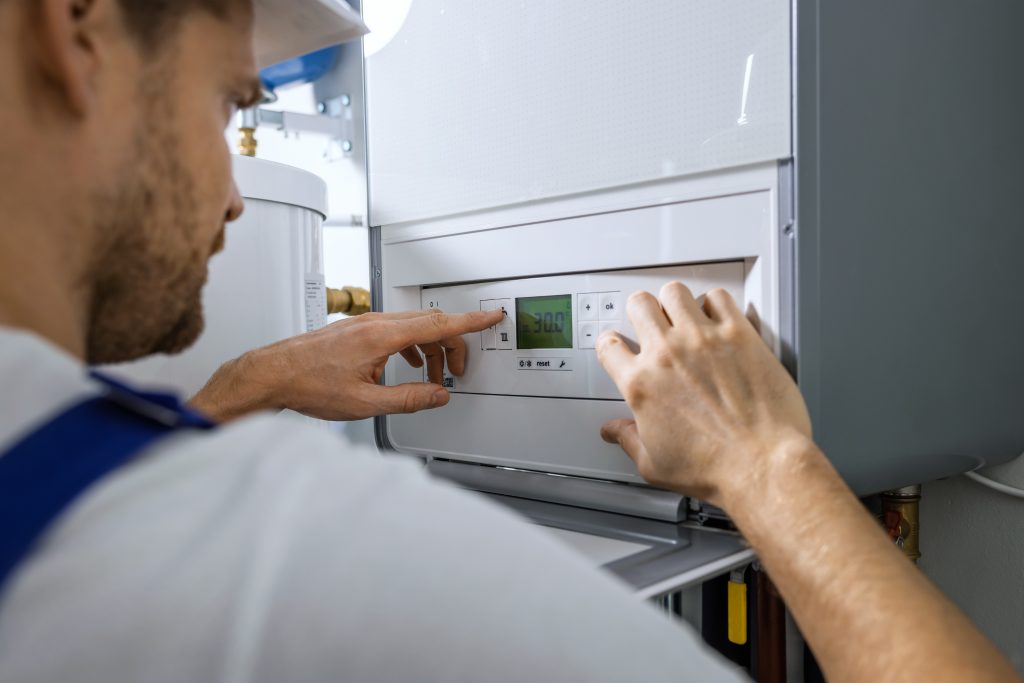
High Boiler Pressure
Boilers operate within a specific pressure range to function efficiently. If the pressure inside the system becomes too high, it can place strain on seals, valves, and internal components. When this happens, water may begin leaking from the pressure relief valve or other vulnerable points.
High pressure can occur for several reasons. Sometimes it is caused by overfilling the system when topping up the pressure. In other cases, it may indicate a fault with the expansion vessel, which is designed to regulate pressure fluctuations.
If you notice that your boiler pressure gauge is consistently above the recommended level, it is important to have it checked promptly. Reducing the pressure temporarily may stop the leak, but identifying the underlying cause is essential to prevent the problem from returning.
Faulty Heat Exchanger
The heat exchanger is one of the most important components in any boiler. It is responsible for transferring heat from the burner to the water circulating through the system. Because it constantly heats and cools during operation, it experiences significant thermal stress over time.
If the heat exchanger develops cracks or weaknesses, water may begin leaking from the main body of the boiler. Unfortunately, heat exchanger faults are often one of the more expensive issues to repair because the component itself is complex and costly.
When a heat exchanger fails, many homeowners choose to replace the boiler rather than invest in a major repair, particularly if the system is already several years old.
Worn Seals and Internal Components
Inside every boiler are numerous seals and gaskets designed to prevent water from escaping. These small components play an essential role in maintaining a watertight system. However, like any rubber or synthetic material, they gradually deteriorate over time.
As seals age, they can become brittle, crack, or lose their ability to maintain a tight seal. When this happens, water may begin leaking from the joints between components.
Fortunately, replacing worn seals is often a straightforward repair when identified early. Regular servicing can help detect these issues before they develop into larger leaks.
Problems With the Pressure Relief Valve
The pressure relief valve is a safety feature designed to release water if the boiler pressure becomes dangerously high. When functioning correctly, it prevents excessive pressure from damaging the system.
However, if the valve becomes faulty or stuck partially open, it may begin releasing water even when the pressure is within the normal range. This can lead to a constant drip or small stream of water from the discharge pipe.
In these cases, the valve may need cleaning, adjustment, or replacement. A heating engineer can determine whether the valve itself is the problem or if another issue within the system is triggering it to open unnecessarily.
Issues With the Expansion Vessel
The expansion vessel is responsible for absorbing pressure changes within the heating system. As water heats up, it expands, and the vessel provides space for this increased volume.
If the expansion vessel loses its internal air pressure or becomes damaged, the system may struggle to regulate pressure effectively. This can lead to sudden spikes that force water out through safety valves or other weak points in the system.
Symptoms of expansion vessel problems often include fluctuating pressure readings, frequent pressure drops, or leaks around the boiler. Repairing or recharging the vessel usually resolves the issue.
Condensate Pipe Leaks
Modern condensing boilers produce condensation as part of their efficient operation. This liquid is drained away through a condensate pipe that carries the water safely to a waste outlet.
If this pipe becomes blocked, cracked, or disconnected, water may begin leaking around the base of the boiler. During winter, condensate pipes can also freeze, causing the system to back up and leak internally.
Checking the condensate pipe is often one of the first steps engineers take when diagnosing leaks in modern boilers.
Why You Should Never Ignore a Boiler Leak
A small leak may seem harmless at first, but even minor water damage can lead to bigger problems over time. Persistent leaks can damage surrounding pipework, electrical components, flooring, and walls. In some cases, moisture can even contribute to mould growth within the home.
More importantly, a leaking boiler may indicate an underlying mechanical issue that could worsen if left untreated. Addressing the problem early can often prevent costly repairs or premature boiler replacement.
Professional diagnosis is always the safest option when dealing with any heating system fault.
The Importance of Regular Boiler Servicing
One of the best ways to prevent leaks is through regular boiler servicing. Annual servicing allows heating engineers to inspect seals, valves, pressure levels, and internal components before small issues develop into major faults.
Routine maintenance also helps ensure your boiler is operating safely and efficiently. A well-maintained system not only lasts longer but also uses less energy, helping reduce household heating costs.
At Green Heating & Renewables Ltd, we always recommend annual servicing as part of responsible boiler ownership.
When to Call a Heating Engineer
If you notice water leaking from your boiler, it is always best to have it inspected as soon as possible. Signs that require professional attention include visible drips from the boiler casing, water pooling beneath the unit, or a sudden drop in system pressure.
Even if the leak appears small, it is rarely something that should be ignored. Identifying the source quickly can prevent further damage and ensure your heating system continues operating safely.
Our experienced team at Green Heating & Renewables Ltd regularly diagnose and repair boiler leaks for homeowners across Thatcham and the surrounding areas. Whether the issue involves pressure problems, worn components, or pipework faults, we are committed to providing reliable solutions that restore comfort to your home.
Keeping Your Heating System Running Smoothly
Your boiler plays a vital role in keeping your home warm and comfortable throughout the year. While leaks can be worrying, they are often caused by issues that can be repaired when caught early.
By paying attention to warning signs, scheduling regular servicing, and contacting a qualified engineer when problems arise, you can help ensure your heating system remains dependable for many years.
If you ever notice water leaking from your boiler, remember that early action is always the best approach. With professional support from experienced heating engineers, most problems can be resolved quickly, allowing you to enjoy reliable heating and hot water without unnecessary stress.