
As heating engineers with years of experience working across Berkshire, we often get calls from customers who are concerned about low boiler pressure. It’s one of the most common issues that can affect the performance of your central heating system, particularly as the colder months set in. If your radiators aren’t heating up properly or your hot water pressure seems weaker than usual, it might be down to a simple pressure drop. The good news is that in many cases, this is a problem that can be safely sorted at home—though there are times when it’s best left to the professionals.
At Green Heating & Renewables, we’ve helped many homeowners deal with pressure-related boiler issues, whether it’s a quick fix or a sign of something more serious. From our work with customers needing servicing and boiler installation in Newbury, we’ve seen how a small issue like low pressure can affect the entire heating system if not addressed promptly. Understanding what causes pressure loss, how to top it up safely, and when to call for help can save you time, money, and discomfort—especially when winter hits.
What Is Boiler Pressure and Why Does It Matter?
Boiler pressure refers to the amount of water pressure in your central heating system. Most modern combi boilers are sealed systems, which means they need a consistent amount of pressure to circulate hot water through your radiators and taps effectively. If the pressure drops too low, your boiler may shut down as a safety measure or simply fail to heat your home properly. You’ll usually spot this on the pressure gauge, which sits on or near the boiler. A typical pressure reading should be between 1 and 1.5 bar when the system is cold. When heating up, it may rise slightly, but if it falls below 1 bar, you’ll likely notice a problem.
Low boiler pressure can be caused by a number of things. The most common reasons are small leaks in the system, air trapped in radiators after bleeding, or natural pressure loss over time. Even newer systems are not immune—many customers we’ve supported shortly after a new boiler installation in Thatcham have contacted us with questions about topping up pressure for the first time. Thankfully, it’s usually straightforward once you know what to look for and how to handle it safely.
How to Check Your Boiler Pressure
The first step is always to check the current boiler pressure using the gauge. Most boilers will have this on the front panel, although the exact position varies by model. If your boiler has a digital display, the pressure reading may be visible on the screen when the system is idle. When you check, make sure the heating is off and the system has had time to cool down for a more accurate reading. You’re looking for a number between 1 and 1.5 bar when cold.
If the needle is below 1 bar, or your display shows an error code linked to pressure loss, that’s a sign the pressure is too low and needs to be increased. It’s also a good idea to look around for any signs of visible leaks—particularly around radiators, pipe joints, or under the boiler itself. Even a slow drip can cause gradual pressure loss. If you spot a leak, it’s important to get it repaired before repressurising the boiler, otherwise the issue may keep coming back or cause further damage.
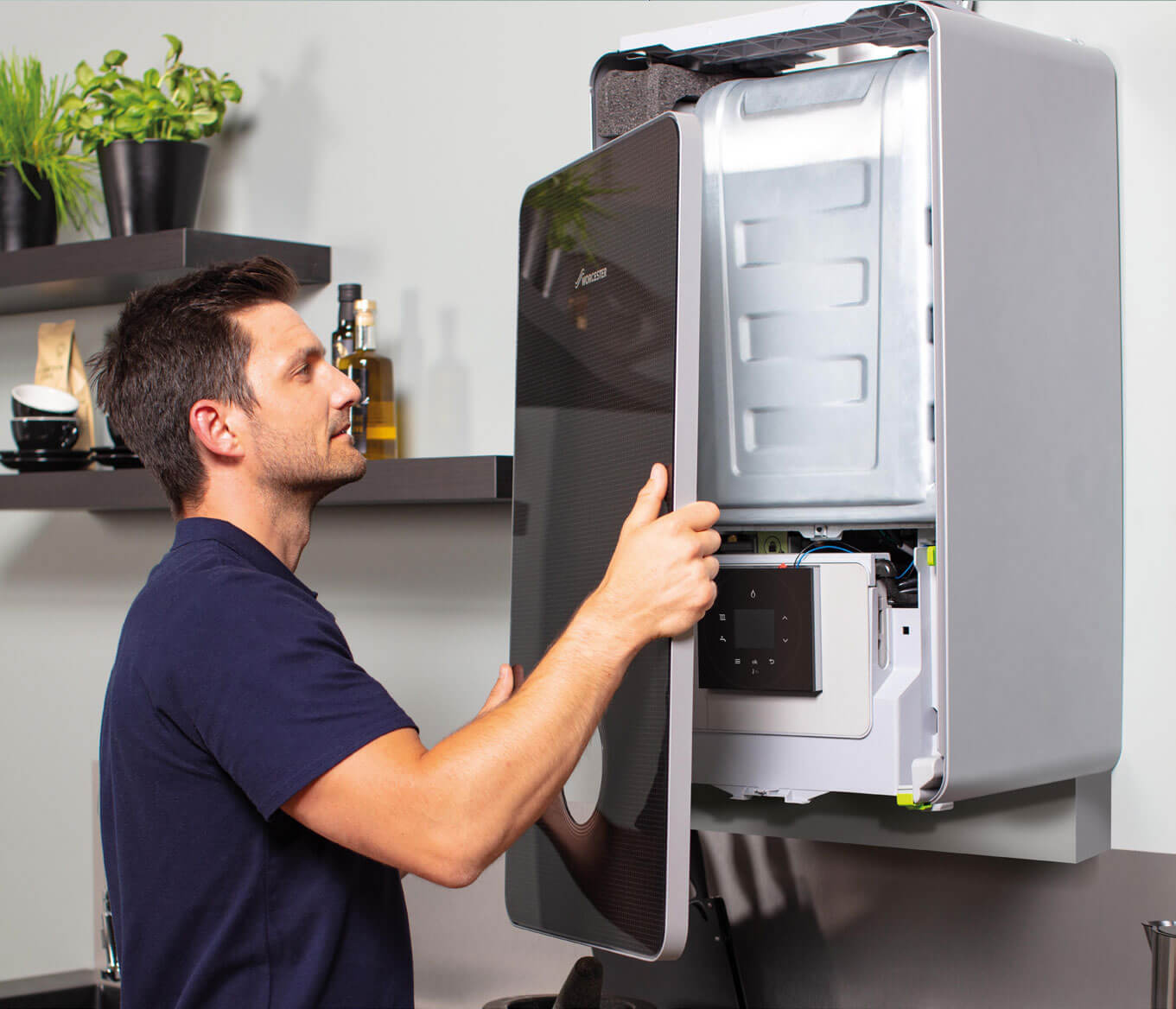
How to Repressurise Your Boiler Safely
To increase the pressure in your boiler, you’ll need to use the filling loop. This is usually a small section of pipe, often metal and silver in colour, located beneath the boiler. In some cases, it’s built-in and controlled with a key or dial. In others, it’s a removable flexible hose that connects the cold water feed to the heating system. Repressurising involves carefully opening the valves to allow water into the system until the gauge reads the correct level.
Before doing anything, always check your boiler manual, as the method can vary depending on the make and model. Turn off the boiler and let it cool. Open the filling valves slowly—usually by turning them a quarter or half-turn—and watch the gauge rise. Once it reaches the ideal pressure (between 1 and 1.5 bar), close the valves tightly and turn the boiler back on. You should hear the system begin to refill and circulate. If the pressure continues to fall or you hear unusual noises after repressurising, it’s time to call in a qualified heating engineer.
We often advise our customers, especially after carrying out a boiler installation in Thatcham, to familiarise themselves with their system and know how to top up the pressure safely. While it’s a simple task, doing it incorrectly can cause issues—such as over-pressurising the boiler, which could trigger safety cut-offs or leaks. That’s why we’re always happy to show homeowners how to do it during an installation or service visit, giving them the confidence to manage their heating system day-to-day.
What to Do If Boiler Pressure Keeps Dropping
If you find yourself needing to increase the boiler pressure more than once every few months, that’s usually a sign that something deeper is wrong. Continuous pressure loss could point to a leak somewhere in the system, a faulty pressure relief valve, or an issue with the expansion vessel inside the boiler. None of these are problems you should try to fix yourself, as they require professional tools and knowledge to diagnose and repair safely.
At Green Heating & Renewables, we’ve helped many customers track down hidden issues that weren’t immediately obvious. A slow leak behind plasterboard, for example, might not cause visible water damage but can still lead to constant drops in pressure. Similarly, older pipework may be corroding or struggling under newer system demands. These are the kinds of issues we’re trained to spot and resolve without causing unnecessary disruption.
If your boiler is more than 10 to 15 years old and you’re constantly facing pressure-related problems, it may be time to consider a replacement. An inefficient boiler that regularly loses pressure, struggles to heat your home, or costs you more in repairs could be doing more harm than good. In these cases, investing in a new system isn’t just about comfort—it’s about reliability and energy efficiency too. We provide expert advice and full support for customers exploring boiler installation in Thatcham and nearby areas, ensuring every new system is matched to the needs of the home and the people living in it.
Preventing Boiler Pressure Problems in Future
Maintaining consistent boiler pressure isn’t just about fixing problems when they happen—it’s also about preventing them. One of the best ways to do this is by having your boiler serviced annually. During a service, we check all major components, including the pressure vessel, relief valve, and internal pipework. We also inspect for signs of wear, corrosion, or minor leaks that could lead to pressure loss down the line.
Regular servicing helps keep your system running smoothly and can extend the life of your boiler. It also means any potential issues are picked up early, before they develop into more serious or expensive problems. Whether it’s a newly installed combi boiler or an older system that’s still going strong, an annual check gives you peace of mind throughout the colder months.
We also advise customers to keep an eye on radiator performance, as cold spots or uneven heating may suggest trapped air, which can affect system pressure. Bleeding your radiators occasionally can help, but make sure to recheck your boiler pressure afterwards and top up if needed.
When to Call a Professional
While topping up your boiler pressure is usually a quick job, there are times when expert help is essential. If your boiler continues to lose pressure after being refilled, won’t repressurise, or shows error codes that won’t reset, don’t try to force it. Similarly, if you hear banging noises, see visible signs of water damage, or smell gas, it’s time to call a Gas Safe registered engineer immediately. Safety is always the top priority, and we’re here to help whenever something doesn’t feel right.
At Green Heating & Renewables, we provide a full range of boiler services across Newbury, Thatcham, and surrounding areas. Whether you need a quick pressure top-up, a full system check, or are thinking about upgrading your heating, our team is always on hand to offer honest, professional advice. We believe in making things easy for our customers—no jargon, no pressure, just straightforward support from engineers who know your area and care about doing the job right.
Final Thoughts
Boiler pressure might seem like a small detail, but it plays a big role in how well your heating system works. Knowing how to check, increase, and monitor your boiler pressure gives you more control over your home comfort and helps prevent avoidable issues. Just as importantly, understanding when to seek help ensures your system stays safe and efficient all year round.
At Green Heating & Renewables, we’re proud to help homeowners across the region—from quick fixes after a boiler installation in Newbury, to full heating upgrades in Thatcham and everything in between. If you’re unsure about your boiler pressure or think your system needs attention, don’t wait until it becomes a bigger problem. Get in touch with our team today, and we’ll help you get back to warm, worry-free living.